Local SEO Checklist for Small Businesses in 2026
If your business serves customers in a specific city, town, or region, local SEO is no longer optional—it’s essential. When potential customers search for:
- “website designer near me”
- “best restaurant in Dehradun”
- “electrician near me”
- “SEO services in Delhi”
Google prioritizes local businesses that have optimized their online presence. In 2026, local SEO is evolving beyond simply ranking on Google. Businesses now need visibility across Google Search, Google Maps, AI-powered search results, voice search, and local business directories.
The good news?
Most small businesses can significantly improve their local visibility by following a proven checklist. This guide provides a complete Local SEO Checklist for Small Businesses in 2026 to help you attract more local customers, improve search rankings, and generate consistent leads.
What Is Local SEO?
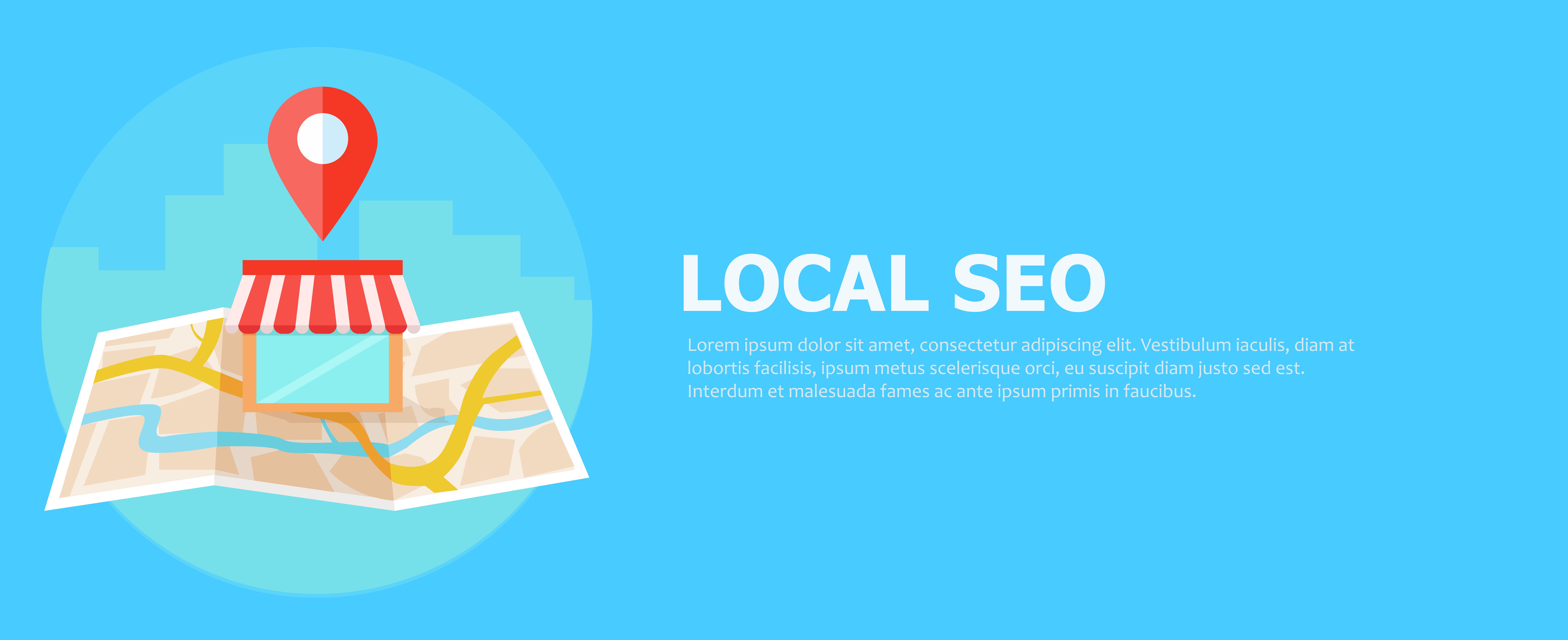
Local SEO (Search Engine Optimization) is the process of improving your online visibility for location-based searches. Unlike traditional SEO, local SEO focuses on attracting customers within a specific geographic area. For example:
Traditional SEO
- Website design services
Local SEO
- Website design services in Dehradun
- Affordable website designer in Delhi
- WordPress developer near me
Local SEO helps your business appear in:
- Google Search
- Google Maps
- AI Search Results
- Voice Search
- Local Business Listings
Why Local SEO Matters in 2026
Consumer behavior continues to change. Most customers now:
- Search online before contacting businesses
- Read reviews before making decisions
- Use Google Maps to find nearby services
- Ask AI assistants for recommendations
If your business isn’t optimized locally, you’re missing potential customers who are actively searching for your services.
Local SEO Checklist for 2026
Follow this checklist to improve local rankings and visibility.
✅ 1. Claim and Optimize Your Google Business Profile
Your Google Business Profile (GBP) remains the most important local SEO asset. Ensure your profile includes:
- Business name
- Address
- Phone number
- Website URL
- Business category
- Business description
- Operating hours
Bonus Tip
Add high-quality images regularly. Businesses with updated profiles often receive more engagement.
✅ 2. Keep NAP Information Consistent
NAP stands for: Name Address Phone Number. Your NAP details should be identical across:
- Website
- Google Business Profile
- Directories
- Social media platforms
Inconsistent information can confuse search engines and hurt rankings.
✅ 3. Optimize Your Website for Local Keywords
Many businesses make the mistake of targeting broad keywords. Instead, focus on location-based terms such as:
- Website designer in Dehradun
- SEO company in Delhi
- Local WordPress developer
- Affordable web design services near me
Use local keywords naturally within:
- Titles
- Headings
- Service pages
- Meta descriptions
✅ 4. Create Dedicated Location Pages
If you serve multiple cities, create separate pages for each location. Examples:
- Website Design Services in Delhi
- Website Design Services in Dehradun
- SEO Services in Noida
Avoid copying the same content across pages. Each location page should provide unique and valuable information.
✅ 5. Optimize for Google Maps
Google Maps drives a significant amount of local traffic. Improve visibility by:
- Completing your Google Business Profile
- Adding photos
- Collecting reviews
- Updating information regularly
The better your profile, the greater your chances of appearing in map results.
✅ 6. Collect More Customer Reviews
Reviews are one of the strongest local ranking factors. Encourage satisfied customers to leave reviews on:
- Industry-specific platforms
Positive reviews improve:
- Trust
- Click-through rates
- Local search visibility
✅ 7. Respond to Every Review
Many businesses collect reviews but never respond. Replying to reviews shows:
- Professionalism
- Customer engagement
- Active business management
Google values businesses that interact with customers.
✅ 8. Add Local Business Schema Markup
Schema markup helps search engines understand your business. Important schema information includes:
- Business name
- Location
- Contact information
- Services
- Reviews
Structured data can improve visibility in search results.
✅ 9. Optimize Website Speed
Local visitors expect fast-loading websites. A slow website can lead to:
- Higher bounce rates
- Lower rankings
- Lost leads
Speed optimization should include:
- Compressed images
- Quality hosting
- Caching
- Mobile optimization
✅ 10. Make Your Website Mobile-Friendly
Most local searches happen on smartphones. Your website should:
- Load quickly
- Display properly on all devices
- Have easy navigation
- Include clickable phone numbers
Google uses mobile-first indexing, making mobile optimization essential.
✅ 11. Publish Local Content
Local content helps establish relevance. Examples include:
- Local business guides
- Community events
- City-specific service pages
- Industry news affecting local customers
Local content helps search engines connect your business with specific locations.
✅ 12. Build Local Citations
A citation is any online mention of your business information. Important citation sources include:
- Business directories
- Chamber of Commerce listings
- Local business associations
- Industry directories
Consistent citations improve local trust signals.
✅ 13. Earn Local Backlinks
Backlinks remain important for local SEO. Potential sources include:
- Local blogs
- Business organizations
- Community websites
- Local news publications
Quality local backlinks strengthen authority.
✅ 14. Optimize for Voice Search
Voice search continues to grow in 2026. People ask questions like:
- “Who is the best website designer near me?”
- “What SEO company is nearby?”
- “Where can I find web development services?”
Use conversational language and FAQ sections to improve voice search visibility.
✅ 15. Optimize for AI Search Results
AI-powered search tools are changing how customers discover businesses. To improve AI visibility:
- Publish helpful content
- Answer customer questions clearly
- Demonstrate expertise
- Maintain accurate business information
AI systems prefer trustworthy, well-structured content.
Common Local SEO Mistakes
Avoid these common issues:
- Ignoring Google Business Profile.
- Inconsistent NAP Information.
- Buying Fake Reviews.
- Duplicate Location Pages.
- Poor Mobile Experience.
- Outdated Business Information.
- Not Tracking Results.
Small mistakes can significantly impact local rankings.
Local SEO Tools Worth Using
Several tools can help monitor and improve local SEO performance.
- Google Business Profile: Manage your business listing.
- Google Search Console: Monitor search performance.
- Google Analytics: Track website traffic.
- Google Keyword Planner: Research local keywords.
- PageSpeed Insights: Analyze website performance.
These tools provide valuable data for optimization.
How Long Does Local SEO Take?
Local SEO is not an overnight process. Typical timelines:
- 1–3 Months : Initial improvements.
- 3–6 Months: Stronger rankings and visibility.
- 6–12 Months: Consistent local traffic growth.
Businesses that remain active and consistent generally see the best long-term results.
Final Thoughts
Local SEO remains one of the most effective marketing strategies for small businesses in 2026. Customers are actively searching for local services every day through:
- Google Search
- Google Maps
- AI Search Tools
- Voice Search
Businesses that optimize their online presence are far more likely to capture this demand. By following this Local SEO Checklist, you’ll build stronger visibility, improve search rankings, attract more qualified leads, and establish a competitive advantage in your local market.
Remember: Local SEO isn’t about reaching everyone.
It’s about reaching the right people at the right time—when they’re ready to become customers.
Frequently Asked Questions
1. What is local SEO?
Local SEO is the process of optimizing a business’s online presence to attract customers from specific geographic locations.
2. Why is Google Business Profile important?
Google Business Profile helps businesses appear in local search results, Google Maps, and AI-powered recommendations.
3. How many reviews do I need to rank locally?
There is no exact number. Consistently earning genuine reviews and responding to them is more important than reaching a specific count.
4. Does local SEO work for service-based businesses?
Yes. Local SEO is highly effective for service providers, contractors, agencies, consultants, and local professionals.
5. How long does local SEO take to show results?
Most businesses begin seeing improvements within 3–6 months, with stronger results developing over time.
6. Is local SEO different from traditional SEO?
Yes. Local SEO focuses on geographic relevance, local searches, Google Maps, and location-specific rankings.
7. Can small businesses compete with larger companies using local SEO?
Absolutely. Local SEO often allows smaller businesses to compete effectively by targeting highly relevant local searches and customer intent.