
AI Chatbots vs Human Support: Which Is Better for Your Business?
Introduction
Customer expectations have changed dramatically over the last few years. People want instant answers, personalized experiences, and quick solutions—whether they’re shopping online at midnight or asking a question during business hours. For small businesses and startups, delivering exceptional customer support while keeping costs under control can be challenging. This is why many companies are turning to AI-powered chatbots. But does that mean human customer support is becoming obsolete?
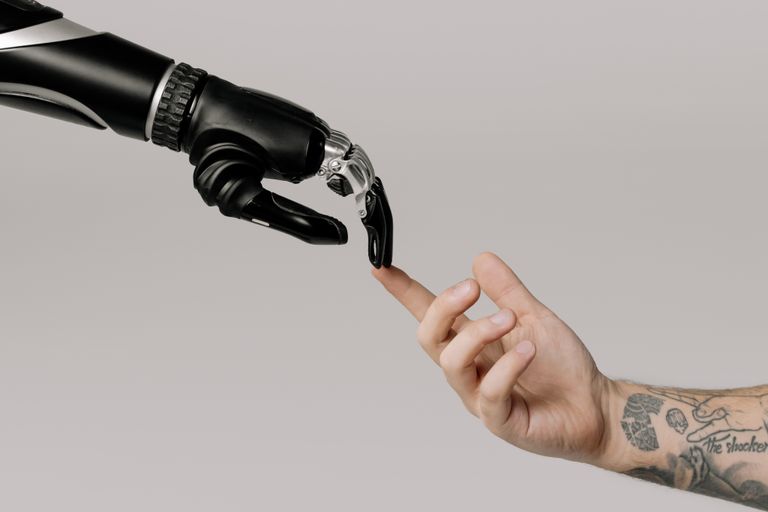
The answer is no. The real question isn’t AI chatbots vs human support—it’s how businesses should combine both to create an outstanding customer experience.
In this guide, you’ll learn the strengths and weaknesses of each approach, when to use them, and how to build a customer support strategy that increases satisfaction, boosts sales, and saves time.
Quick Answer (Featured Snippet)
AI chatbots are best for handling repetitive tasks, providing instant responses, qualifying leads, and offering 24/7 customer service. Human support is better for complex issues, emotional conversations, negotiations, and personalized problem-solving. Most successful businesses use a hybrid approach that combines AI efficiency with human expertise.
AI Chatbots vs Human Support at a Glance
| Feature | AI Chatbots | Human Support |
|---|---|---|
| Available 24/7 | ✅ Yes | ❌ Limited |
| Instant Responses | ✅ Yes | Depends on staff |
| Emotional Understanding | ❌ Limited | ✅ Excellent |
| Complex Problem Solving | Limited | Excellent |
| Cost per Conversation | Very Low | Higher |
| Personalized Advice | Moderate | Excellent |
| Scalability | Unlimited | Limited by team size |
| Lead Qualification | Excellent | Good |
| Customer Relationships | Limited | Excellent |
| Operating Cost | Low | Higher |
Understanding AI Chatbots
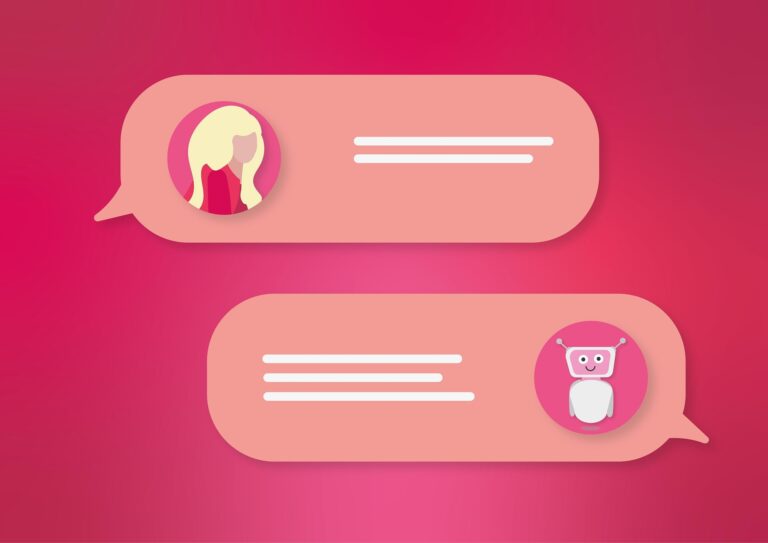
AI chatbots are software programs powered by artificial intelligence that communicate with website visitors using natural language. Unlike traditional rule-based bots that only respond to predefined questions, modern AI chatbots can understand intent, maintain context, answer complex questions, and even recommend products or services. Today’s AI chatbots can:
- Answer customer questions
- Book appointments
- Recommend products
- Collect contact information
- Generate leads
- Schedule meetings
- Track orders
- Resolve common support requests
- Direct visitors to the right department
Instead of replacing employees, AI chatbots help businesses automate repetitive conversations so human teams can focus on higher-value work.
What Is Human Customer Support?
Human customer support involves trained professionals assisting customers through:
- Phone calls
- Live chat
- Video calls
- Social media
- In-person interactions
Human agents bring empathy, judgment, creativity, and emotional intelligence that AI cannot fully replicate. For many businesses, especially those offering premium services or handling sensitive issues, human interaction remains a key factor in building trust and long-term customer relationships.
Benefits of AI Chatbots
1. 24/7 Customer Support
Customers don’t only browse websites during business hours. Someone may visit your website at:
- 6 AM
- Midnight
- Weekends
- Holidays
An AI chatbot ensures every visitor receives immediate assistance, regardless of the time. This can significantly reduce missed opportunities and improve customer satisfaction.
2. Instant Responses
Modern consumers expect fast answers. Research consistently shows that response speed has a major impact on user satisfaction and conversion rates. Instead of waiting minutes—or even hours—for a reply, AI chatbots respond within seconds. Fast responses reduce frustration and help visitors continue their buying journey.
3. Lower Support Costs
Hiring and training customer support staff can be expensive. Costs include:
- Salaries
- Benefits
- Training
- Office infrastructure
- Management
- Scheduling
AI chatbots can handle thousands of conversations simultaneously without increasing staffing costs. This makes them especially valuable for:
- Small businesses
- Startups
- E-commerce stores
- SaaS companies
- Local service providers
4. Lead Generation
A chatbot can automatically ask visitors questions such as:
- What’s your business?
- What service do you need?
- What’s your budget?
- When would you like to start?
This information helps qualify leads before they reach your sales team. Instead of receiving unqualified inquiries, your team spends time speaking with prospects who are more likely to convert.
5. Consistent Customer Experience
Human agents naturally vary in experience, communication style, and knowledge. AI chatbots provide consistent answers based on your business policies and approved information. This helps reduce errors and ensures every customer receives accurate information.
6. Improved Productivity
Instead of answering the same questions repeatedly, employees can focus on:
- Closing sales
- Solving technical issues
- Building customer relationships
- Creating better customer experiences
This improves overall business efficiency.
7. Scalable Customer Support
Imagine launching a successful marketing campaign. Instead of handling 50 website visitors, you suddenly receive 5,000. Human teams may struggle. AI chatbots can manage thousands of conversations simultaneously without delays.
Benefits of Human Support
1. Emotional Intelligence
People don’t always need information. Sometimes they need understanding. Human agents can recognize:
- Frustration
- Excitement
- Confusion
- Anxiety
- Urgency
They can adjust their communication style accordingly, something AI still struggles to achieve consistently.
2. Better Problem Solving
Many customer issues require:
- Critical thinking
- Experience
- Negotiation
- Creative solutions
These situations often involve multiple variables that AI cannot fully evaluate. Experienced support professionals can investigate problems, make judgment calls, and resolve unique cases more effectively.
3. Building Long-Term Relationships
Customers often remember how a company made them feel. Friendly, knowledgeable, and empathetic support creates loyalty. A positive interaction with a real person can turn a one-time buyer into a long-term customer and encourage referrals.
4. Handling Sensitive Situations
Issues involving billing disputes, refunds, complaints, or emotional concerns require human understanding. Customers generally prefer speaking with a person when the situation is important or stressful. Human representatives can de-escalate problems, reassure customers, and provide tailored solutions.
5. Personalized Recommendations
Human agents can read between the lines, ask follow-up questions, and recommend solutions based on experience. This personalized approach is especially valuable for:
- Professional services
- Healthcare
- Legal firms
- Financial advisors
- High-ticket products
- Custom website development
AI Chatbots vs Human Support: Head-to-Head Comparison
| Category | AI Chatbots | Human Support |
|---|---|---|
| Speed | ⭐⭐⭐⭐⭐ | ⭐⭐⭐ |
| Cost Efficiency | ⭐⭐⭐⭐⭐ | ⭐⭐ |
| Personalization | ⭐⭐⭐ | ⭐⭐⭐⭐⭐ |
| Emotional Intelligence | ⭐ | ⭐⭐⭐⭐⭐ |
| Lead Qualification | ⭐⭐⭐⭐⭐ | ⭐⭐⭐⭐ |
| Sales Conversations | ⭐⭐⭐ | ⭐⭐⭐⭐⭐ |
| Technical Support | ⭐⭐⭐ | ⭐⭐⭐⭐⭐ |
| Availability | ⭐⭐⭐⭐⭐ | ⭐⭐ |
| Scalability | ⭐⭐⭐⭐⭐ | ⭐⭐ |
| Customer Trust | ⭐⭐⭐ | ⭐⭐⭐⭐⭐ |
Why It Matters
Customer service is no longer just a support function—it directly influences sales, customer retention, online reviews, and brand reputation. Businesses that combine fast responses with meaningful human interactions often see:
- Higher customer satisfaction
- Better lead conversion rates
- Increased repeat business
- Stronger customer loyalty
- Improved operational efficiency
- Lower support costs
- More positive online reviews
For startups and small businesses, implementing the right balance between AI automation and human expertise can create a competitive advantage without dramatically increasing operational expenses.
Common Mistakes to Avoid
Many businesses fail to get the best results from AI because they implement it incorrectly. Avoid these common mistakes:
- Relying entirely on chatbots without offering access to a human representative.
- Using outdated, poorly trained chatbot responses that frustrate visitors.
- Hiding contact information behind multiple automated prompts.
- Ignoring customer feedback about chatbot performance.
- Failing to update chatbot knowledge as products and services change.
- Using AI for sensitive conversations involving complaints, refunds, or legal matters.
- Forgetting to monitor chatbot analytics and improve responses over time.
Best Practices
To maximize the value of AI chatbots while maintaining excellent customer service, follow these best practices:
- Use AI to answer repetitive questions and qualify leads.
- Provide a simple option for users to connect with a human agent.
- Keep chatbot responses clear, concise, and aligned with your brand voice.
- Train your chatbot using real customer questions and frequently updated information.
- Review conversations regularly to identify gaps and improve performance.
- Use AI to support your team—not replace meaningful human interactions.
- Measure key metrics such as response time, customer satisfaction, lead conversions, and issue resolution rates to continually optimize your support strategy.
When Should Businesses Use AI Chatbots?
AI chatbots are not designed to replace every customer interaction. Instead, they excel at handling repetitive, predictable tasks that require speed and consistency. When implemented correctly, they improve efficiency while allowing your team to focus on higher-value work. AI chatbots are ideal for:
Answering Frequently Asked Questions
Customers often ask the same questions repeatedly, such as:
- What are your business hours?
- Where are you located?
- What services do you offer?
- How much do your services cost?
- How can I contact your team?
A chatbot can answer these instantly, reducing your team’s workload.
Lead Qualification
Instead of asking your sales team to respond to every inquiry, AI can collect valuable information such as:
- Business name
- Industry
- Budget
- Project timeline
- Required services
- Contact details
Qualified leads can then be passed directly to your sales team, improving productivity.
Appointment Booking
Service-based businesses can use AI to:
- Schedule consultations
- Book meetings
- Confirm appointments
- Send reminders
- Reduce missed appointments
This automation saves time for both customers and staff.
Order Tracking
For eCommerce businesses, AI chatbots can instantly provide:
- Shipping updates
- Delivery estimates
- Order status
- Return information
Customers receive immediate answers without waiting for an agent.
Customer Onboarding
AI chatbots can guide new customers through:
- Account setup
- Product tutorials
- Service introductions
- Documentation
- Frequently used features
This creates a smoother onboarding experience.
When Is Human Support Essential?
While AI is powerful, there are situations where only a human can provide the level of care and expertise customers expect.
Complex Technical Issues
Technical problems often require investigation and critical thinking. Examples include:
- Website errors
- Software bugs
- Payment failures
- Server issues
- Custom development requests
These situations benefit from experienced professionals who can diagnose and resolve unique challenges.
High-Value Sales Conversations
Customers investing significant amounts of money often want reassurance before making a decision. A human sales representative can:
- Understand business goals
- Recommend tailored solutions
- Address objections
- Build trust
- Negotiate pricing when appropriate
Customer Complaints
When customers are frustrated, empathy matters. A human representative can:
- Listen carefully
- Apologize sincerely
- Explain solutions
- Offer appropriate compensation when necessary
- Rebuild trust
This human connection can turn a negative experience into a positive one.
Emotional or Sensitive Conversations
Industries such as healthcare, legal services, finance, and education often involve emotionally important decisions. These conversations require:
- Compassion
- Professional judgment
- Careful communication
AI should support—not replace—people in these situations.
The Best Approach: Hybrid Customer Support
The most successful businesses don’t choose between AI and human support—they combine both. A hybrid approach delivers the speed of automation while preserving the trust that comes from real human interaction. A typical workflow might look like this:
- A visitor lands on your website.
- The AI chatbot greets them instantly.
- The chatbot answers common questions.
- If the issue is simple, the chatbot resolves it.
- If the conversation becomes more complex, it seamlessly transfers the visitor to a human representative.
- The support agent already has the conversation history, making the experience faster and more personalized.
This combination improves customer satisfaction while reducing operational costs.
Future Trends in AI Customer Support
AI technology continues to evolve rapidly. Businesses that embrace these innovations early can gain a competitive advantage. Emerging trends include:
- Voice AI Assistants: Customers will increasingly interact with businesses using natural voice conversations rather than typing.
- Predictive Customer Support: AI will identify potential problems before customers report them, allowing businesses to provide proactive assistance.
- Hyper-Personalization: Future AI systems will use customer behavior, purchase history, and preferences to deliver highly personalized recommendations and support.
- Multilingual Support: AI will enable businesses to serve customers in multiple languages without hiring large multilingual teams.
- Smarter CRM Integration: Chatbots will integrate more deeply with CRM systems, allowing them to access customer history, preferences, and previous interactions for a more seamless experience.
How Small Businesses Can Get Started
If you’re a small business owner, implementing AI doesn’t have to be complicated or expensive. Start with these steps:
- Identify the most common customer questions.
- Add an AI chatbot to your website.
- Create a clear knowledge base with accurate answers.
- Ensure visitors can easily connect with a human when needed.
- Monitor chatbot performance regularly.
- Update responses based on customer feedback.
- Continuously refine the balance between automation and personal support.
Even a basic chatbot can significantly improve response times and free up valuable resources.
Key Takeaways
- AI chatbots provide instant, 24/7 support and reduce operational costs.
- Human support remains essential for complex, emotional, and high-value interactions.
- A hybrid approach offers the best balance of efficiency and personalization.
- Businesses should use AI to automate repetitive tasks while empowering human teams to handle situations that require empathy and expertise.
- Regularly reviewing chatbot performance ensures a better customer experience over time.
Frequently Asked Questions
1. Are AI chatbots replacing customer service agents?
No. AI chatbots are designed to automate repetitive tasks and provide instant responses, but they cannot fully replace human empathy, creativity, and problem-solving. Most successful businesses use AI to support their customer service teams rather than replace them.
2. Can small businesses benefit from AI chatbots?
Absolutely. AI chatbots help small businesses provide 24/7 support, qualify leads, answer FAQs, and improve customer satisfaction without significantly increasing staffing costs.
3. Do customers prefer talking to AI or humans?
It depends on the situation. Customers appreciate AI for quick answers and simple tasks, but they generally prefer human support for complex issues, complaints, personalized advice, or emotionally sensitive conversations.
4. Are AI chatbots expensive?
Not necessarily. Many AI chatbot platforms offer affordable pricing plans suitable for startups and small businesses. The return on investment often comes from reduced support costs, improved efficiency, and increased lead generation.
5. How can AI improve website conversions?
AI chatbots engage visitors instantly, answer objections, recommend products or services, capture lead information, and guide users toward completing purchases or booking consultations. These actions help reduce bounce rates and increase conversions.
6. What industries benefit the most from AI chatbots?
Nearly every industry can benefit, including:
- E-commerce
- Healthcare
- Education
- Real estate
- Finance
- SaaS
- Hospitality
- Professional services
- Digital marketing agencies
- Local businesses
The specific implementation should match customer needs and business goals.
7. Should every website have an AI chatbot?
Not every website requires one, but businesses with regular customer inquiries, lead generation goals, or online sales often benefit greatly. The key is implementing AI thoughtfully and ensuring customers can easily reach a human when necessary.
Conclusion
The debate between AI chatbots and human support isn’t about choosing one over the other—it’s about understanding how each contributes to a better customer experience. AI excels at speed, consistency, scalability, and automation, making it an invaluable tool for handling repetitive tasks and providing instant assistance. Human support, on the other hand, brings empathy, creativity, trust, and personalized problem-solving that technology cannot fully replicate.
For most small businesses, startups, and growing companies, the most effective strategy is a hybrid model. Let AI handle routine interactions while your team focuses on building relationships, solving complex issues, and delivering exceptional service. As AI continues to evolve, businesses that combine automation with genuine human connection will be better positioned to improve customer satisfaction, increase efficiency, and drive sustainable growth.
Ready to Build a Smarter Business Website?
Whether you’re looking to integrate AI chatbots, improve customer experience, optimize your website for higher conversions, or create a professional online presence, Ash Web Work is here to help.
Our team specializes in:
- Professional Website Design & Development
- WordPress & Shopify Solutions
- SEO and Local SEO Services
- AI-Powered Website Features
- Website Speed Optimization
- Conversion Rate Optimization
- Website Maintenance & Security
We help small businesses, startups, and local companies build websites that not only look professional but also generate leads, increase sales, and deliver outstanding customer experiences.
Contact Ash Web Work today for a free consultation and discover how the right combination of AI technology and expert web development can help your business grow faster in 2026 and beyond.