
What Is GEO (Generative Engine Optimization) and Why It Matters in 2026
For years, businesses focused on one goal: Ranking higher on Google. Traditional SEO (Search Engine Optimization) helped websites appear in search results when users typed keywords into search engines. Today, the way people find information is rapidly changing.
Instead of searching: “best website design company”
Users are asking AI tools: “What’s the best website design company for small businesses?”
Instead of browsing through multiple links, they receive direct answers generated by artificial intelligence. This shift has introduced a new concept: Generative Engine Optimization (GEO). GEO is becoming one of the most important digital marketing strategies for businesses that want visibility in AI-powered search environments. In this guide, we’ll explain what GEO is, how it works, why it matters, and how businesses can optimize their websites for the future of search.
What Is GEO (Generative Engine Optimization)?
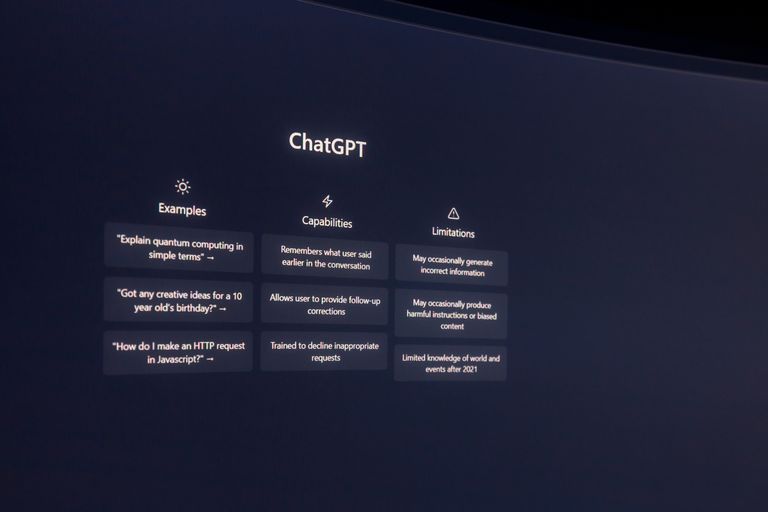
Generative Engine Optimization (GEO) is the process of optimizing your content so that AI-powered search engines and generative AI platforms can easily understand, trust, and reference your information. Instead of focusing only on ranking web pages, GEO focuses on becoming a source that AI systems use when generating answers. Examples of AI-powered search platforms include:
- ChatGPT
- Google AI Overviews
- Microsoft Copilot
- Gemini
- Perplexity AI
- Claude
When users ask questions, these systems analyze information from multiple sources and generate responses. GEO helps your business become one of those sources.
How GEO Differs from Traditional SEO
Many business owners assume GEO is simply another name for SEO. While related, they are not identical.
Traditional SEO
Goal: Rank web pages on search engines
Success Metric:
- Clicks
- Rankings
- Organic traffic
Focus:
- Keywords
- Backlinks
- Technical SEO
GEO
Goal:
- Become part of AI-generated answers
Success Metric:
- Citations
- Mentions
- AI visibility
Focus:
- Authority
- Context
- Trust
- Structured information
SEO helps people find your website. GEO helps AI find and understand your website.
Why GEO Matters in 2026
Search behavior is changing faster than ever. Millions of users now rely on AI assistants for:
- Product recommendations
- Service research
- Business comparisons
- Educational content
- Buying decisions
Instead of clicking ten search results, users often receive one AI-generated response. This means businesses must compete not only for rankings but also for AI visibility. Companies that ignore GEO risk becoming invisible in emerging search experiences.
How AI Search Engines Find Information
To understand GEO, you must understand how AI systems gather information. AI search platforms typically evaluate:
- Website Content: Pages, articles, guides, and resources.
- Search Engine Results: High-ranking websites often receive more attention.
- Structured Data: Schema markup helps AI understand context.
- Business Profiles: Business listings and directories provide credibility signals.
- Reviews and Reputation: Trustworthy businesses receive stronger visibility.
- Authoritative Sources: AI systems prioritize reliable information.
The better your website communicates expertise, the more likely AI systems are to reference it.
GEO Is Built on Trust
One of the most important concepts in GEO is trust. AI systems aim to provide reliable answers. Therefore, they often favor websites that demonstrate:
- Experience: Real-world knowledge.
- Expertise: Deep understanding of a subject.
- Authoritativeness: Industry recognition.
- Trustworthiness: Accurate and dependable information.
These principles closely align with Google’s EEAT framework.
The Core Elements of GEO
Businesses wanting visibility in AI-generated answers should focus on several key areas.
1. Publish Helpful Content
AI systems prioritize useful information. Content should answer questions clearly and thoroughly. Examples include:
- How-to guides
- Tutorials
- Industry insights
- FAQs
- Case studies
The goal is to provide genuine value rather than simply target keywords.
2. Build Topical Authority
Topical authority means becoming a trusted source within your niche. For example, a web design company should create content covering:
- Website design
- WordPress
- SEO
- Website speed
- Local SEO
- AI search optimization
The broader your expertise within a topic, the more likely AI systems will trust your content.
3. Use Clear Content Structure
AI tools prefer content that is easy to understand.
Use:
- Headings
- Subheadings
- Lists
- Tables
- FAQs
Well-structured content improves both user experience and AI interpretation.
4. Optimize for Search Intent
Modern AI systems focus heavily on user intent. Instead of targeting only keywords, answer the underlying question.
For example:
Rather than writing: Website Design
Write: How Much Does Website Design Cost for Small Businesses?
Intent-driven content performs better in both SEO and GEO.
5. Add Structured Data
Schema markup helps search engines and AI understand:
- Businesses
- Services
- Reviews
- FAQs
- Articles
Structured data improves content clarity.
6. Maintain Accurate Business Information
Consistency matters. Ensure your:
- Website
- Google Business Profile
- Social profiles
- Directories
all contain accurate information. Conflicting details can reduce trust signals.
Why FAQs Are Important for GEO
AI assistants frequently answer question-based queries. FAQ sections help by:
- Addressing user concerns
- Providing concise answers
- Increasing contextual relevance
This is one reason FAQ-rich content often performs well in AI search environments.
GEO and Content Marketing
Content marketing is becoming increasingly important. Businesses should create content that answers:
- What?
- Why?
- How?
- When?
- Where?
- Which?
The more questions your content answers, the greater the opportunity for AI systems to reference it.
GEO and Local Businesses
Local businesses can also benefit from GEO. Customers increasingly ask AI:
- Best web designer near me
- Best restaurant in my city
- Local SEO expert nearby
Businesses with strong local SEO foundations often improve GEO visibility as well. Local optimization remains essential.
Common GEO Mistakes
Many businesses are unintentionally limiting their AI visibility. Common mistakes include:
- Publishing Thin Content: Short, low-value content rarely becomes an authoritative source.
- Keyword Stuffing: Modern AI prioritizes quality over repetition.
- Ignoring EEAT: Lack of credibility reduces trust.
- Poor Website Structure: Confusing content is harder for AI to understand.
- Not Updating Content: Outdated information loses relevance.
GEO and SEO Work Together
Some marketers position GEO as a replacement for SEO. This is inaccurate.
The future is: SEO + GEO
SEO helps search engines discover your content. GEO helps AI systems understand and reference it. Businesses that combine both strategies will achieve the strongest visibility.
How to Prepare for the Future of Search
To improve GEO performance in 2026:
- Create Helpful Content: Focus on solving problems.
- Demonstrate Expertise: Publish in-depth resources.
- Optimize User Experience: Improve speed and usability.
- Add Structured Data: Help AI understand your content.
- Build Authority: Earn backlinks and industry recognition.
- Update Content Regularly: Keep information current.
These practices support both SEO and GEO success.
The Future of GEO
AI-powered search will continue evolving. As users increasingly rely on conversational search experiences, businesses will need to adapt. Future visibility will depend on:
- Authority
- Trust
- Expertise
- Context
- Content quality
The websites that become trusted sources today will have a significant advantage tomorrow.
Final Thoughts
Generative Engine Optimization (GEO) represents the next evolution of search visibility. Instead of focusing solely on rankings, GEO focuses on helping AI systems understand, trust, and reference your content. As platforms like ChatGPT, Google AI Overviews, Gemini, and Copilot continue influencing how people discover information, businesses must optimize for both search engines and AI systems.
The good news is that GEO is not about gaming algorithms. It’s about becoming the best source of information in your industry. Businesses that consistently publish helpful, trustworthy, and authoritative content will be better positioned to succeed in the AI-driven future of search. The goal is no longer just ranking on page one. The goal is becoming part of the answer.
Frequently Asked Questions
1. What does GEO stand for?
GEO stands for Generative Engine Optimization, the process of optimizing content for AI-powered search and generative AI platforms.
2. How is GEO different from SEO?
SEO focuses on ranking web pages in search engines, while GEO focuses on helping AI systems understand and reference your content in generated answers.
3. Does GEO replace SEO?
No. GEO complements SEO. Businesses should use both strategies to maximize visibility.
4. Why is GEO important in 2026?
AI-powered search is growing rapidly, and businesses need visibility in AI-generated answers as well as traditional search results.
5. What type of content works best for GEO?
Helpful, accurate, comprehensive, and well-structured content tends to perform best.
6. Can small businesses benefit from GEO?
Absolutely. Small businesses can improve visibility by creating authoritative content, optimizing local SEO, and demonstrating expertise.
7. How can I start optimizing for GEO?
Focus on answering customer questions, building topical authority, using structured data, improving website quality, and publishing trustworthy content regularly.